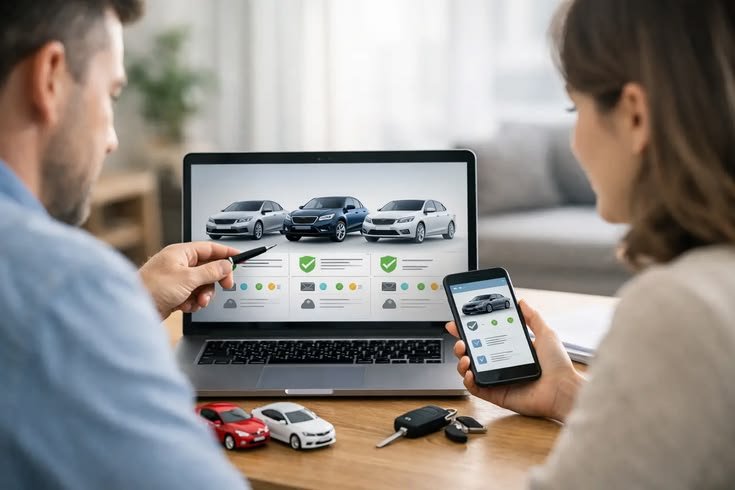
The difference between comprehensive vs third party car insurance comes down to whose damage gets paid for. Comprehensive cover generally pays for insured damage to your own car, as well as your liability for damage you cause to other people’s property. Standard third party property damage cover generally pays only for damage you cause to other people’s vehicles and property, not for your own car. Exact cover depends on the policy wording, so always check the Product Disclosure Statement (PDS). This guide explains the options for Australian drivers, how compulsory third party (CTP) insurance fits in, and how to weigh premiums against what you could afford to pay yourself.
Comprehensive vs Third Party Car Insurance Australia: At a Glance
The table summarises how the three main cover types generally compare. Features differ between insurers, so treat it as a starting point, not a promise of cover.
| Feature | Comprehensive | Third party fire and theft | Third party property damage |
|---|---|---|---|
| Damage you cause to other people’s vehicles or property | Generally covered, up to policy limits | Generally covered | Generally covered |
| Accidental damage to your own car | Generally covered, even if you’re at fault | Generally not covered | Generally not covered (limited benefits may apply if an identified, uninsured driver at fault hits you) |
| Theft and fire | Generally covered | Generally covered | Generally not covered |
| Storm, hail and flood | Often covered, subject to exclusions | Generally not covered | Generally not covered |
| Typical premium level | Highest | Middle | Lowest |
| Excess and conditions | Excess applies; extra excesses, limits and driver restrictions may apply | Excess, limits and exclusions apply | Excess applies when you claim |
| May be worth considering if | Your car is newer, valuable or financed, or replacing it would strain your budget | Your car has moderate value, theft worries you and you could fund collision repairs | Your car is older or low in value and you could fund its repair or replacement |
CTP isn’t in the table because it covers injury to people, not property, and it’s compulsory. We explain it below.

What Is Comprehensive Car Insurance (and How Does It Differ From Third Party)?
Comprehensive car insurance is the broadest option. It generally responds to accidental damage to your car (whether or not you caused the accident), theft, fire, vandalism and some weather events, and it covers your legal liability for damage to other people’s cars and property. MoneySmart’s guide to choosing car insurance notes it still won’t cover everything, so exclusions matter.
Many policies include or offer extras such as towing, a hire car, windscreen cover, roadside assistance or new-car replacement. These vary widely between insurers, and some cost extra.
Two features deserve attention:
- Value basis. Under market value, the insurer pays what your car would have sold for at the time of loss. Under agreed value, you and the insurer set a figure upfront. MoneySmart notes agreed value usually means a higher premium, while market value leaves the final amount unknown until you claim.
- Exclusions. Common exclusions include mechanical failure, rust, wear and tear, intentional damage and losses involving an unlicensed or impaired driver. Some policies limit or exclude certain weather events.
Also check whether an excess applies when the accident isn’t your fault.
What Is Third Party Insurance Coverage?
Third party property damage insurance covers your legal liability if you damage someone else’s vehicle or property, such as a parked car, a fence or a shopfront. It generally includes reasonable legal costs if you’re taken to court. Some insurers state a liability limit; Allianz’s third party property damage page, for example, lists up to $20 million for a single accident. Your PDS shows the limit that applies.
Third party cover generally does not pay for:
- damage to your own car when you’re at fault
- fire, theft or weather damage to your car
- injuries to people, which is the job of CTP
Some policies include limited cover for your car if an identified, uninsured driver at fault damages it. Canstar notes these amounts are often only a few thousand dollars. An excess still usually applies, an extra excess may apply to younger drivers, and some insurers exclude uses such as rideshare.
When weighing third party car insurance vs comprehensive cover, the central question is who pays if your own car is badly damaged or stolen.
What Is Third Party Fire and Theft Insurance?
Third party fire and theft (TPFT) generally adds cover for your own car if it’s stolen or damaged by fire, on top of the liability cover in third party property damage. It generally does not cover collision damage, and it may not cover storm, hail or flood.
Sub-limits can apply. Canstar notes some policies cap payouts at modest amounts, which may fall short of your car’s value. Some policies add benefits such as a hire car for a limited period after a theft. Not every insurer sells TPFT, so confirm what’s offered and read the PDS.
What Is the Difference Between CTP and Third Party Car Insurance?
Compulsory third party (CTP) insurance is a separate product from third party property damage insurance:
- CTP is compulsory. It generally covers compensation for people injured or killed in a motor vehicle accident, subject to state and territory rules. It doesn’t cover damage to cars or property.
- Third party property damage is optional. It covers damage you cause to other people’s vehicles and property, not injuries.
- Comprehensive is optional. It covers your car and other people’s property, and it doesn’t replace CTP.
How you get CTP varies. In NSW it’s called a Green Slip and must be bought before you can register your vehicle. The ACT uses an equivalent Motor Accident Injuries scheme, and in some states the cost is built into registration. Allianz explains the three products side by side, and Suncorp’s guide lists each state regulator.
Holding CTP doesn’t insure your car, or another driver’s car if you damage it.
Comprehensive Car Insurance vs Third Party: Which Is Cheaper?
Third party cover is generally cheaper because it covers less. Insurers price policies using the car’s type and value, who drives it, how often and how far, where you live and park, the cover type and your excess, according to MoneySmart. MoneySmart also notes that paying annually instead of by instalments generally costs less, and that comprehensive premiums rose 42% in the five years to June 2024, so comparing each year is worthwhile.
A lower premium isn’t automatically better value, though. A saving only helps if you could cover the gap yourself after a loss. For typical price drivers, see our guide to how much car insurance costs, or use our car insurance calculator to estimate a car’s market value and an indicative premium range. It’s an estimate, not an insurer quote.
A hypothetical premium-versus-excess comparison
The figures below are invented for illustration. They are not market averages or quotes.
Assumptions: two cars, a $1,000 excess on comprehensive, an at-fault accident that writes off your own car, and an insurer that pays the full market value. The example ignores depreciation, lost no-claim discounts and later premium changes.
| Car A: older hatchback | Car B: newer SUV | |
|---|---|---|
| Market value | $6,000 | $32,000 |
| Extra yearly premium for comprehensive over third party | $550 | $1,300 |
| Your cost for your own car with third party only | $6,000 | $32,000 |
| Your cost with comprehensive (the excess) | $1,000 | $1,000 |
| Extra premiums paid over five years | $2,750 | $6,500 |
For Car A, five years of extra premiums add up to nearly half the car’s value, so some owners who could replace a $6,000 car might accept the risk. For Car B, an uninsured write-off leaves a $32,000 gap, which many owners couldn’t absorb. Your own numbers will differ, so compare real quotes.
In both cases, third party property damage and comprehensive would generally respond if you damaged someone else’s car, subject to limits and excess.
How to Compare Comprehensive vs Third-Party Car Insurance in NSW
In NSW you’re making two separate decisions.
- Your Green Slip (CTP). It’s compulsory before registration. The State Insurance Regulatory Authority (SIRA) regulates NSW CTP and publishes a Green Slip price comparison tool. Insurers must apply SIRA’s prescribed pricing factors, which include where the vehicle is garaged, driving history, driver and vehicle age, vehicle type and use.
- Your car insurance. This is optional, and the national comparison above applies. A Green Slip doesn’t pay for damage to your car or anyone else’s.
When comparing car cover in NSW, consider where you park, your exposure to storm or hail, and whether you could afford a repair bill. Check how each policy defines weather events, which excess applies and whether a hire car is included. Some insurers offer multi-policy discounts, but compare the Green Slip and car insurance separately before bundling.
CTP arrangements differ in other states and territories, so check your own regulator.
Which Cover May Suit Different Drivers?
These are decision factors, not personal recommendations.
- Older, low-value car: Third party property damage may suit if you could fund your own repairs or replacement. The other driver’s repair bill is still a risk worth covering.
- Newer or expensive car: A write-off costs more, so many owners consider comprehensive and compare agreed value with market value.
- Financed car: A lender may require comprehensive cover under your finance agreement. Check the contract before choosing a lower level, as you may still owe money on a car you’ve lost.
- Car you rely on for work: Think about the cost of being without it. Check business-use or rideshare exclusions, since third party policies may not cover them, and compare hire car benefits.
- At-fault accident damaging another vehicle: Third party property damage and comprehensive generally respond to the other party’s repair costs, subject to limits and excess. With no car insurance, the bill is yours.
- Storm or theft: Third party property damage doesn’t cover your own car here. TPFT may cover theft and fire, while storm cover usually sits with comprehensive. Street parking can raise theft risk.
How to Compare Policies Before Buying
Compare like for like, then work through this checklist:
- Premium and payment frequency, including any instalment loading
- Basic and additional excesses, such as for young or inexperienced drivers
- Market value or agreed value, and how the figure is reviewed
- Repairer choice and any repair guarantee
- Hire car after an accident or theft, and any caps
- Windscreen cover and its excess
- New-car replacement eligibility
- Uninsured-driver benefits and their limits
- Exclusions, limits and driver or use restrictions
- Optional benefits, plus the PDS and Target Market Determination (TMD)
Not every policy includes every item, so read the documents before you buy.
Frequently Asked Questions
Comprehensive generally covers damage to your car and to other people’s property. Third party property damage generally covers only damage you cause to other people’s vehicles and property.
It depends on the car’s value, the premium and excess, and whether you could afford to repair or replace it yourself. Compare real quotes against your savings.
Generally not when you’re at fault. Some policies offer limited cover if an identified, uninsured driver at fault hits you. Check the PDS.
It’s third party property damage plus cover for your car if it’s stolen or damaged by fire, subject to limits and exclusions. It generally doesn’t cover accidents or storms.
No. CTP covers injury compensation and is needed to register your car. Third party property damage covers damage to other people’s property and is optional.
No. CTP is the compulsory cover. A lender may require comprehensive insurance under a finance agreement.
Possibly, but only if your finance agreement allows it. Many lenders require comprehensive, so check the contract or ask your lender first.
Often, but not always. Check how the PDS defines each event and what’s excluded or limited.
Buy a Green Slip first, comparing prices through SIRA. Then compare car cover on cover type, excess, value basis and inclusions.
Comprehensive vs third party car insurance is a trade-off between a higher premium and more of your own-car risk transferred to an insurer. The right balance depends on your car’s value, any finance, how much you rely on the vehicle and what you could afford to pay after a loss. Compare policy terms, not just prices, and use our car insurance calculator as a starting point before you get quotes.
This article is general information only. It doesn’t consider your objectives, financial situation or needs, and it isn’t personal advice or a quote. Insurance cover, limits and exclusions differ between insurers. Read the relevant PDS and TMD before deciding.